Server Room Clean Agent Extinguisher Testing | Albuquerque
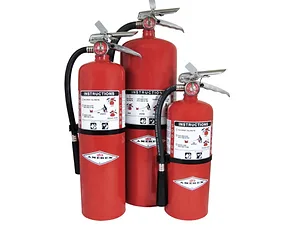
Fire Safety Industries recently completed a professional Clean Agent Extinguisher Testing for a commercial business facility in Uptown, Albuquerque, NM.
The Problem
The property manager of a commercial business facility in Uptown, Albuquerque, NM contacted Fire Safety Industries (FSI) to perform a mandatory fire protection compliance audit. The facility required professional certification to satisfy local fire code requirements and maintain commercial occupancy standards.
Specifically, the customer reported: "Extinguishers in data center due for mandatory 12-year hydrostatic pressure testing.". Operating with uncertified or expired safety equipment exposes commercial properties to fire marshal citations, insurance non-compliance penalties, and severe life-safety risks during localized emergencies.
Our Inspection
Our certified fire safety technician arrived on-site in Uptown, Albuquerque, NM to conduct a thorough physical walkthrough. The technician evaluated all active units against NFPA 10 & New Mexico State Fire Marshal regulations (19.25.2 NMAC).
The inspection included checking cylinder mechanical integrity, measuring gauge operating pressure, inspecting discharge hoses for cracks or obstructions, verifying mounting height compliance, and checking safety pull-pin seals.
Our Solution
To resolve all compliance findings, FSI executed the following step-by-step service:
- Physical Integrity Check: Inspected cylinders, handles, and mounting brackets for mechanical wear or corrosion.
- Pressure Verification: Verified pressure gauge operational status and adjusted propellant charges where required.
- Seal & Pin Replacement: Installed new tamper-evident pull-pin seals to prevent accidental discharge.
- Mounting Adjustment: Ensured wall hangers met NFPA 10 height standards (top of unit under 60 inches from floor).
- Official Tagging: Affixed official Fire Safety Industries compliance tags marked with inspection date and State Fire Marshal License #397477.
Final Results
All serviced units passed inspection, received official annual compliance tags, and were re-mounted in designated hazard zones. The facility owner received a full compliance log for city fire marshal audits and commercial insurance verification.
Why Professional Fire Protection Matters
Annual fire extinguisher inspection and tag certification is required by law for commercial properties in New Mexico. Regular servicing guarantees that fire suppression tools remain pressurized, unobstructed, and fully operational when an emergency strikes, protecting employees, customers, and physical property.
Frequently Asked Questions
Related Resources
Why Businesses Choose Fire Safety Industries
- Providing New Mexico with trusted fire protection since 1976
- Licensed state fire protection contractor (License MS-14 #397477)
- NFPA-certified technicians and OSHA compliant documentation
- Walk-in extinguisher service shop & mobile route dispatches
- Full reporting submitted to fire marshals and water authorities
Need Fire Extinguisher Service in Albuquerque?
Fire Safety Industries provides commercial fire extinguisher inspection, certification, recharge, installation, and walk-in service for businesses throughout Albuquerque and surrounding New Mexico communities.